
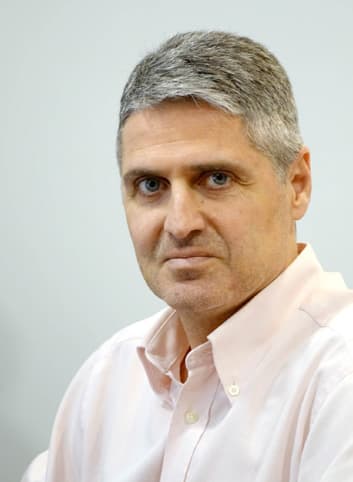
INTERVIEW WITH ANDREAS MANDRINOS
October 10, 2024 · Arcus Real Estate
PRESIDENT OF THE THESSALONIKI HOTELIERS ASSOCIATION
– In your capacity as president of the hoteliers association, describe to me the return to normality in the post-COVID era.
After two and a half "lost" years, from March 2020 to the end of last year, we have now returned to normality. The coronavirus period was also extremely difficult for the hotel sector. Some establishments closed and never reopened. Nevertheless, with the experience the pandemic left us, we are moving forward and looking positively to the future.
– In recent years Thessaloniki has been attracting investments worth millions in 5-star hotels, with 7 new arrivals and several more expected to be added in the coming years. How many units of this calibre currently operate in the city, and how many beds do they offer?
At the moment, 21 five-star units with around 4,700 beds operate in our area.
– Are you satisfied with the level of occupancy?
Closing out the first five months of this year, the figures are certainly much better than the corresponding period last year. However, there is still a negative sign compared with the first five months of 2019, the last year of normality before the appearance of COVID-19. We hope the sign will turn positive over the course of the summer.
– What is the total number of operating hotels in the city and the total available beds?
I can give you precise figures only for the member hotels of our Association. Nevertheless, across the entire Regional Unit of Thessaloniki there are approximately 150 main accommodation establishments operating, with a capacity of around 15,500 beds.
– Do you have an estimate of the total annual influx of tourists and visitors?
The year 2022 closed for the Thessaloniki area with 2,125,433 overnight stays by Greek and foreign visitors. That figure corresponds to a decrease of 12.96% compared with 2019.
– Which countries primarily make up the bulk of arrivals?
Besides Greeks, who traditionally constitute the leading nationality, in recent years the top of the remaining nationalities has been occupied by Israelis, visitors from the USA, Cypriots and, of course, the Balkan nations (Romanians, Serbs, Bulgarians, North Macedonians, etc.).
– As the hoteliers association, how do you view this balance today, and what are your forecasts for the immediate future?
Other nationalities with air connections certainly need to enter the "frame" of our clientele, but we are very cautious as to whether this goal will be achieved, owing to a lack of professional promotion.
– In your opinion, how much of an effect would a dynamic increase in business tourism have?
I do not think this will happen soon, so I cannot be optimistic.
– I would like your position regarding the city's tourism infrastructure and how much the influx of tourists will be affected by a series of flagship projects, such as the redevelopment of Aristotelous Square, the new TIF in the ConfEx Park era, the new Holocaust museum at the old station, the seafront, the Metro, and so on.
The discussion about Thessaloniki's prospects always comes up either in pre-election periods or during the TIF (Thessaloniki International Fair), with grandiose announcements from whoever happens to be in government about the imminent completion of all these flagship projects (the Metro, the redevelopment of Aristotelous Square, the new TIF, the seafront, the new Holocaust museum, the underwater artery, the transatlantic flight corridor, and others). For those of us who live in this city, unfortunately, until we see these particular projects completed, we treat these announcements as jokes.
– What are the main problems the sector faces today?
The main problem of our sector is the enormous operating cost our businesses face, which, by all indications, is set to grow even greater.
– How do you see the future of the modern and dynamic field of hospitality services?
There will certainly be developments in the immediate future with personalised service.
– Mr Mandrinos, as president of the association and an experienced businessman in the sector, what proposals have you submitted to local bodies in order to dynamically change the tourism profile and character of the city?
For years, Thessaloniki's tourism promotion abroad has been non-existent. Most of the efforts being made are amateurish and isolated and, unfortunately, concern political self-promotion. The real investment and legacy for Thessaloniki would be the drafting and implementation of a strategic plan to promote the destination abroad on a technocratic basis, founded on a modern technocratic promotion study aimed at attracting new markets. For at least eight months now we have been submitting our proposals to the local bodies (the Region and the Municipality of Thessaloniki), while also putting them on notice of their responsibilities should these proposals not be implemented by the end of their term.
Interview by: Vasilis Babaolous General Manager of Arcus Real Estate