
INTERVIEW WITH YIANNIS BOUTARIS
October 10, 2024 · Arcus Real Estate
"I IMAGINE A CITY THAT IS OPEN, FREE, TOLERANT, FREED FROM RELIGIOUS BIGOTRY OF EVERY KIND."
LET US LOOK AHEAD AND LEARN FROM THE PAST.
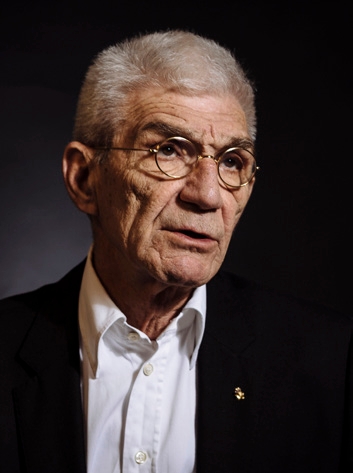
Pioneering, spontaneous, a free spirit, Yiannis Boutaris genuinely cares about the city in which he lived, grew up, did business, dreamed and never abandoned. He is the person who changed the image of Thessaloniki abroad, who did not hesitate to admit his mistakes, and for many that truth and authenticity is what the city is missing — a city that, however much it tries, remains stagnant on many issues, such as projects and quality of life, with the traffic problem that for decades has been swallowing up the daily life of Thessaloniki's residents.
Yiannis Boutaris described how he imagines Thessaloniki, which projects should already have been carried out, pointed out the unresolved problems that plague residents, revealed whom he will support in the municipal elections, and noted that his great vision, the Holocaust Museum of Greece, is finally on a good track. For the former mayor, the establishment of the "Airbnb" practice and the major increase in hotel units take Thessaloniki many steps forward.
The following is the interview he gave to ARCUS MAGAZINE and specifically to Vasilis Bampaolous.
– How do you imagine Thessaloniki over the next five years? What is your vision?
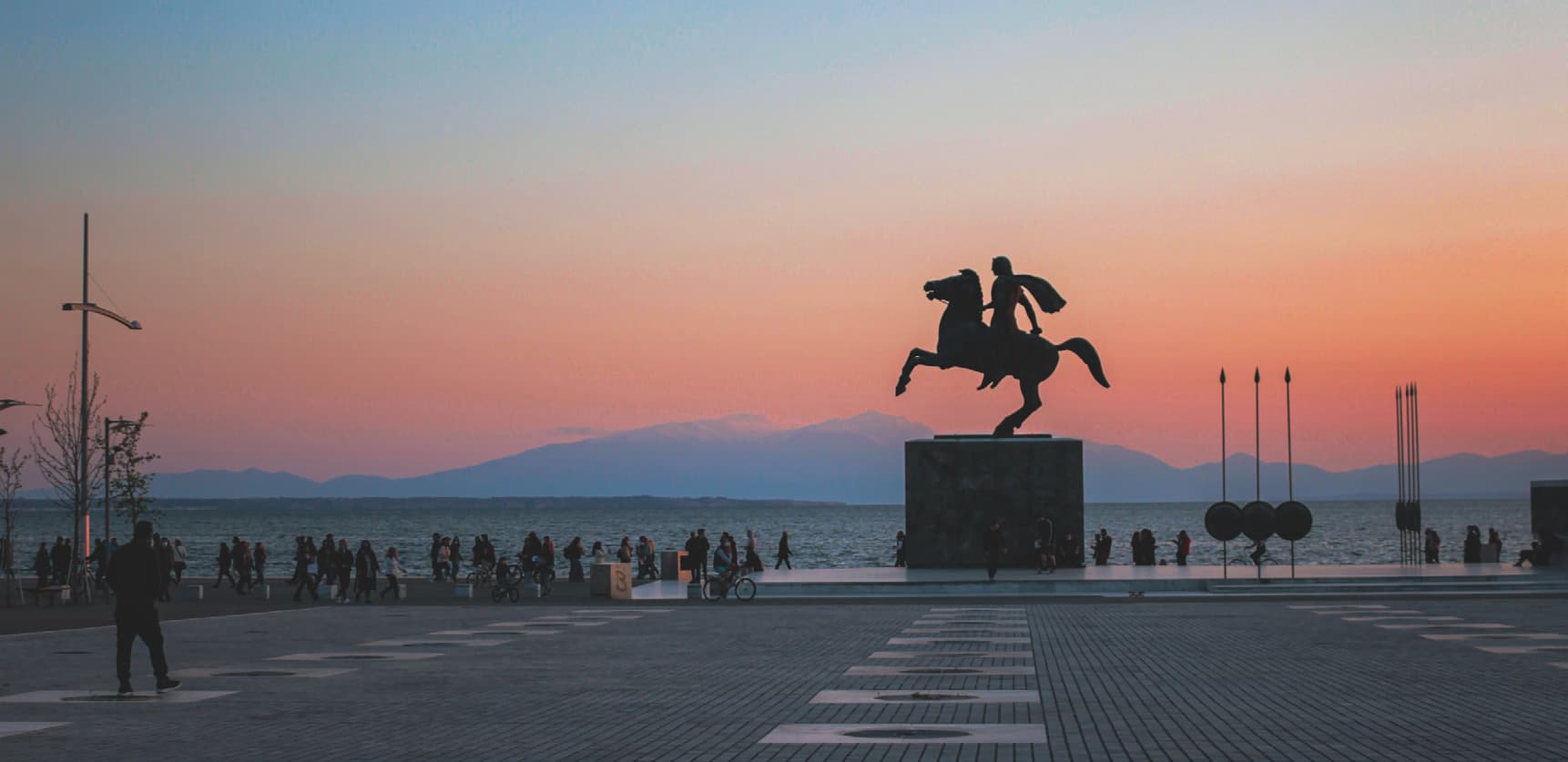
I imagine a Thessaloniki with its two universities substantially internationalised, as well as those that emerged after the mergers with higher technological institutes (T.E.I.). I imagine a Thessaloniki with full operation of the existing hospitals, as well as those under construction, so that people come from everywhere for treatment. I imagine the port receiving a large number of commercial ships and cruise ships bound for Southern and Central Europe, alongside that of Piraeus. I imagine a city that is open, free, tolerant, freed from religious bigotry of every kind, with very good relations with neighbouring countries.
– Q. Should it have changed already? What are the actions that should be taken immediately?
The projects that had been announced for the port should have moved forward. The organised road access to the Kalochori area and its connection with the EGNATIA and PATHE motorways should have been completed, as should the city's urban and suburban transport. Instead, the only means of transport remains the bus, a source of daily hardship for the citizen, who is waiting to see when, at last, the metro will start operating — although it is expected that it will not solve many problems.
– Looking back at your own term in office and taking stock, would you change anything? What was it that did not go so well?
The organisation of cleaning in the city has improved. There is, however, much still to be done. Service to the citizen must also be improved further, as happened with the digitisation of many procedures, e.g. the property tax (TAP), the issuing of shop licences and others. Unfortunately, the traffic problem remains a permanent, unresolved issue. I believe the city does not have the image of a significant centre of the Balkans. Much must be done at the level of infrastructure, such as connecting the city with the islands — the Sporades, the Cyclades, the Dodecanese, Crete — upgrading and developing the railway network, and so on. We must bear in mind that our neighbours are steadily advancing in the modernisation and Europeanisation of their cities. I have the sense that we have fallen behind.
– The Holocaust Museum, a project that you envisioned as mayor — when is it expected to be completed, and what changes do you believe it will bring to Thessaloniki?
After many delays, the Holocaust Museum of Greece (M.O.E.) is on a good track and I believe that, by the end of the year, the process of selecting a contractor will have been completed, so that construction can begin. The ambition is for the M.O.E. to become a point of reference for all the places and all the populations that suffered a holocaust and, of course, for what Thessaloniki suffered. Genocides are not local but global phenomena and should be treated as acts against humanity and against human nature. The city can become a centre of Holocaust remembrance, as well as a centre for the systematic education of populations, so that "Never again!" becomes a substantial reality.
– Whom would you like to see as the next Mayor, and what is your opinion of the work of Konstantinos Zervas?
I support as much as I can Spyros Pegas, a former colleague of mine as Deputy Mayor of Culture, Tourism and International Relations, who worked with great success to establish the city as a tourist destination with many points of interest, systematically applying so-called City Diplomacy and creating the "Streetfood Festival", which continues to this day to operate very successfully. I would not like to comment on the work, where there is any, of Kostas Zervas.
– The value of real estate in Thessaloniki has increased significantly; do you think this affects the development of the city and the local community positively or negatively?
The establishment of the "Airbnb" practice and the major increase in hotel units of every level naturally affect the development of the city positively, creating new professions, jobs and leading to an increase in prices and a strengthening of the city's economy.
– In closing, from the overall experience you have, what is the essence of life?
Let us look ahead and learn from the past.
Interview conducted by: Vasilis Bampaolous General Manager of Arcus Real Estate