
Interview with Giannis Moralis – Mayor of Piraeus
January 12, 2026 · Arcus Real Estate
Mr Moralis, you have completed 11 years as Mayor of Piraeus and you are still going, now being the longest-serving Mayor in the city's history. How much do you believe the quality of life in Piraeus has improved over all these years?
Since 2014, when the people of Piraeus did me the honour of electing me Mayor for the first time, until today, the changes that have taken place in Piraeus are evident not only in the city, but across the entire country. In 2014 our city was an inward-looking city, not clean, deeply wounded by the economic crisis, with the greatest level of borrowing of any other Municipality and with the highest municipal fees in the country, without any return of high-quality services to its citizens. This has now changed. Piraeus is now outward-looking, it is developing steadily, it leads the way, it innovates, it is bright, it is very clean while at the same time municipal fees have been reduced by 27% – something we have worked very hard to achieve over all these years – it is gradually becoming a tourist destination and it is attracting significant investment.
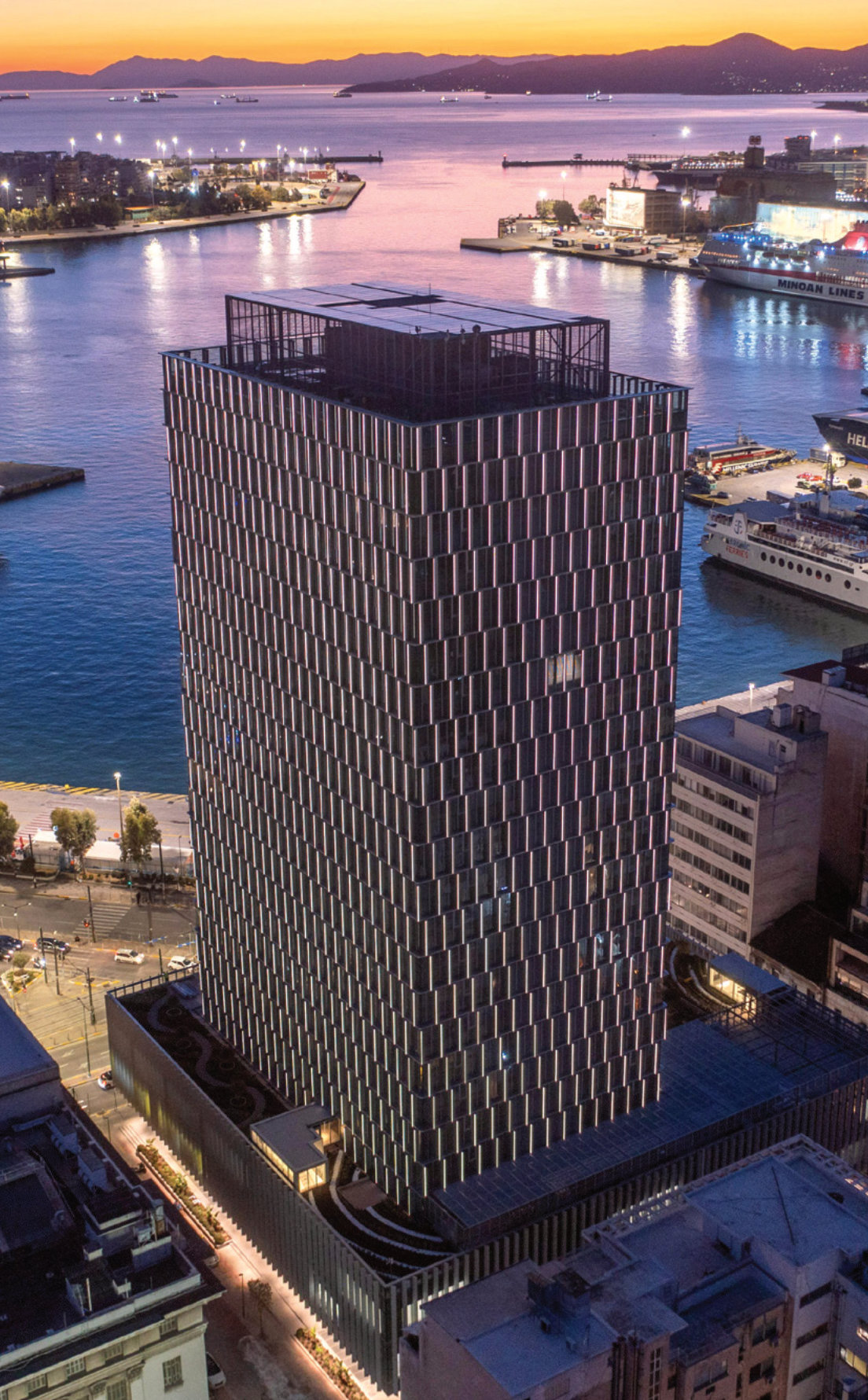
This has of course been helped by the major projects carried out in the city, such as the redevelopment of the Piraeus Tower, an emblematic project, given that the second tallest building in the country was for half a century a shell in the heart of the country's largest port and has now been transformed into a jewel of a building, into a new landmark for our city.
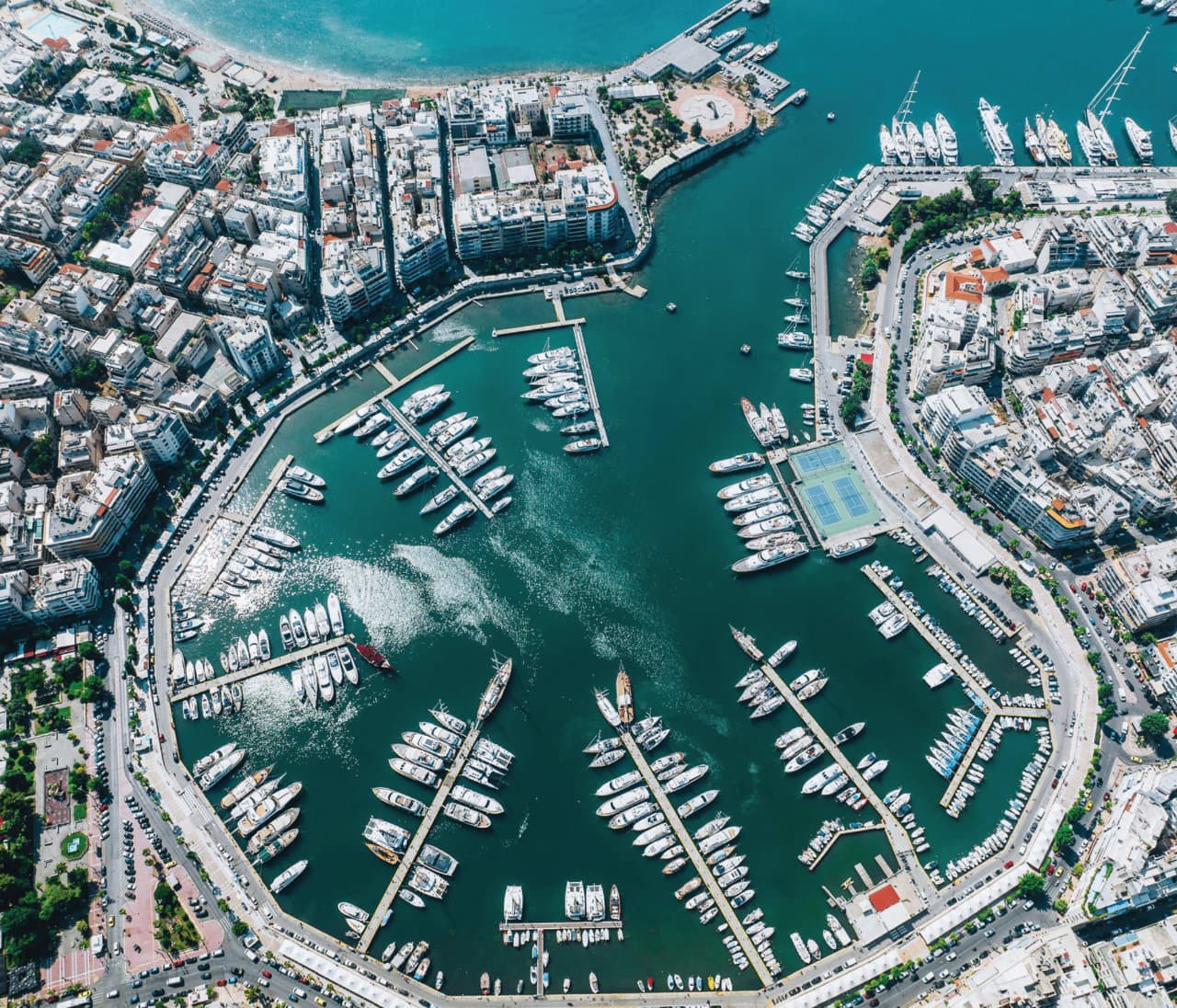
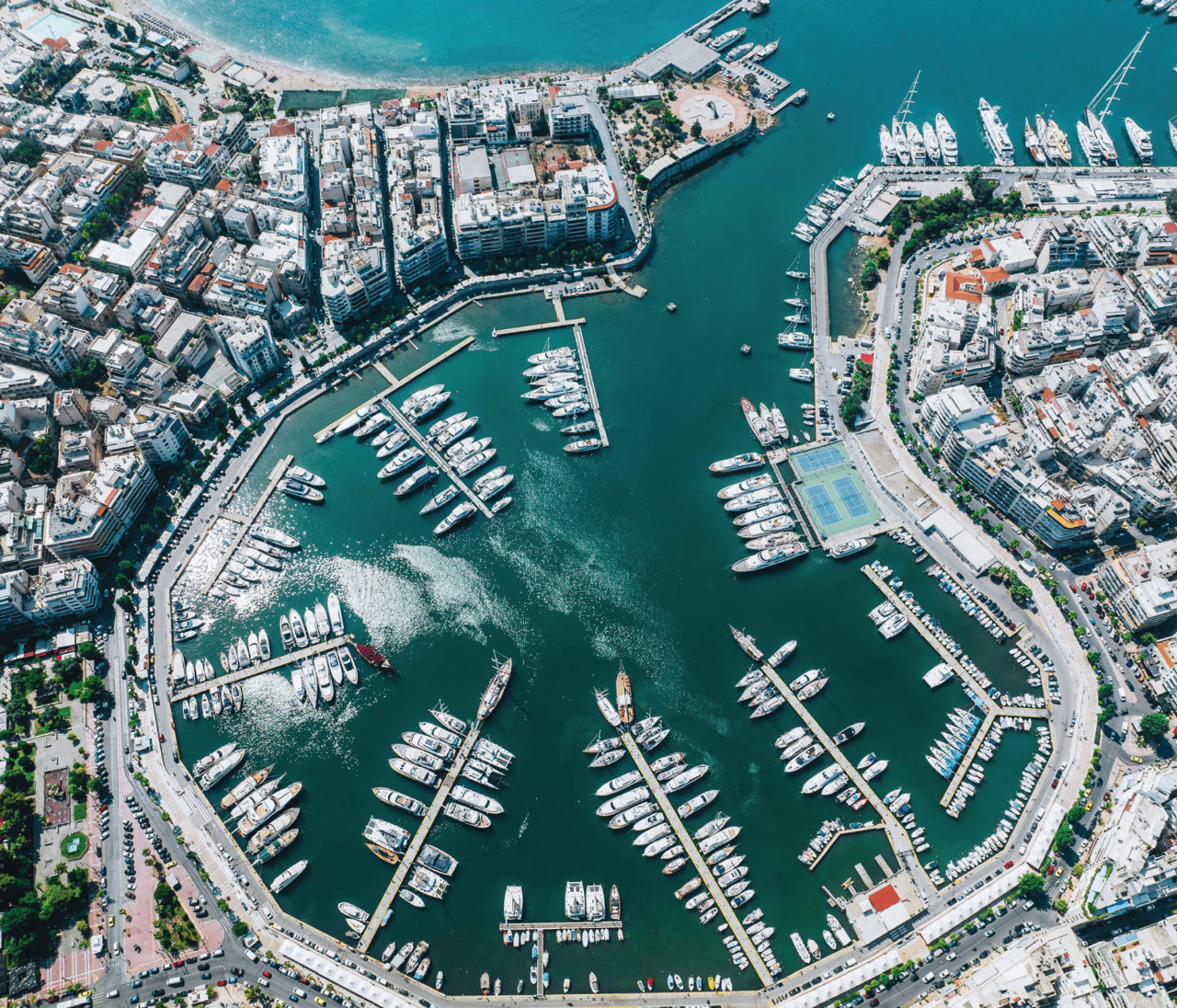
The redevelopment of Mikrolimano likewise resolved a chaotic situation that had lasted for decades and gave a tremendous boost to the development of the surrounding area, attracting residents and visitors alike. The redevelopment of Agios Dionysios. A very large area next to the port, run down for years, was transformed into a modern neighbourhood, into a hub of entrepreneurship and culture within the city. The redevelopment of Votsalakia beach, a project of around 2 million euros. After many decades, the residents of Piraeus and its visitors are enjoying a swim at a beautiful and functional beach with the necessary infrastructure, within the urban fabric.
Other smaller-scale interventions have been carried out and continue to be carried out, in squares, streets and pavements in every municipal community, in every neighbourhood of Piraeus, with redevelopments that meet the demands of modern urban design.
Together with the development of new transport infrastructure, such as the extension of the Metro to Piraeus and of the Tram, these interventions have made a decisive contribution to the revitalisation of our city and have acted as a catalyst for development and for improving the quality of life of its residents.
What are your next goals for the development of the area?
We are continuing with major, emblematic projects, not only in the centre of Piraeus. The major redevelopment of the Piraeus waterfront, on Akti Themistokleous, will begin in the coming period, yet another landmark project for our city, with a total budget of 23.5 million euros covered by the Recovery and Resilience Facility. We are talking about one of the most beautiful spots in Attica, whose infrastructure, however, is very old and can no longer serve the modern needs of the city. The project concerns the complete reconstruction of all the pavements and of the road along a length of 2.5 kilometres. An extremely complex project, which relates on the one hand to showcasing the antiquities and on the other to the better overall functioning of the public space, whether that concerns residents and visitors, or the dining establishments which are an integral part of the Piraeus coast.
We have also set in motion a major bioclimatic redevelopment in the area of Kaminia, worth 10 million euros, as well as the creation of the city's largest green space, covering 33 acres, in Neo Faliro, on the former plots of CHRO.PEI., as well as on surrounding plots, something that had also been a demand of civil society for decades.
The construction of a new town hall in Piraeus is one of our key aspirations for this term. Obviously it was not among our priorities in the previous years, because there were other more serious matters to resolve. But now that we have put the Municipality in order and Piraeus is doing well, I believe we have a duty to build a modern and elegant Town Hall, which will reflect the history, the prestige and the dynamic development path that our city is following.
There has been a meteoric rise in property prices. How have prices developed in Piraeus and how are you managing the situation?
In Piraeus, as throughout the country, the housing problem with high property prices is already acute. According to recent reports, Piraeus is among the cities with the largest increases. Consequently, in an already burdened city with expensive purchase and rental prices, where young people, young families and young workers cannot cope and cannot find a home, we have a duty to monitor developments very carefully and, to the extent that it falls to us, to intervene.
Our interventions mainly concern matters of land use; in areas where there was no residential use, through special urban planning schemes we are granting precisely this use, taking the view that if the supply of properties increases, prices will fall.
Piraeus has an enormous number of abandoned buildings, large building complexes which in the past were industrial sites. Large companies have already bought such properties, which are being converted, among other things, into homes and apartments.
At the same time, as the municipal authority we have begun talks and a framework of cooperation with the institutional representatives of the short-term rental companies, so that the development of short-term rentals in Piraeus does not happen in a chaotic and reckless manner, as occurred in other cities and tourist destinations. Although short-term rentals in Piraeus have increased, they are still in their infancy, and this allows us to put in place a framework and rules from the very beginning.
Investment and development are key components for upgrading municipalities. What steps will you take in this direction?
Piraeus is now one of the most welcoming and attractive cities for investment, something that is recognised by major Greek and foreign companies that are investing significant private capital in projects in our city. With urban renewal and property development projects, with investment in the port area, with the development of the tourism sector and the relocation of businesses to Piraeus, private investors and entrepreneurs are sending a strong message about the opportunities that exist and are emerging in our city. But let us not forget the emblematic investments being made in Piraeus by Central Government. The new Piraeus Courthouse, already under construction in the Agios Dionysios area, will be by far the most modern Courthouse in the country and the first "green" public building with zero emissions. The Museum of Underwater Antiquities, being built in the old industrial Silo building at the port, is also one of the most important projects of recent decades. Piraeus is acquiring one of the very few museums in the world featuring antiquities recovered from the seas and from shipwrecks. This pioneering Museum will become a powerful landmark for the city and the country and is expected to strengthen the position of Piraeus as a cultural destination, attracting visitors from all over the country and from abroad.
Our city is moving forward dynamically and optimistically on its development path. Obviously, we have not done everything perfectly. But we cannot ignore the many initiatives we have taken to attract investment and improve the business environment, from the reduction of municipal fees, to supporting local businesses during the pandemic and addressing local problems relating to public spaces, security and cleanliness. These developments can only make us feel confident about the future, establishing Piraeus as a focal point of economic, commercial, business and investment life, guided first and above all by the improvement of the quality of life of our residents.
What would you like to improve in the lives of citizens that you have not yet managed to achieve?
Undoubtedly traffic, which remains a very difficult and complex issue, but one which, when we are talking about Piraeus, the city in which the country's great port is located, cannot be solved by the actions of the municipal authority alone. The Metro, which is completing three years of operation, has helped considerably, but it has not solved the problem. The Tram, as it was designed and operates in the city today, has not delivered as much as we at least would have wished, although I believe it is a modern and ecological means of transport that we should all support more.
A significant relief to traffic will be provided by a project we have been pursuing for a very long time: the undergrounding of the suburban railway lines from Neo Faliro to the port. This project will drastically improve traffic conditions in the city, especially during the summer months. We continue to put pressure on this Government, as we did on the previous ones, given that this project is of supra-local importance; it does not concern only the Municipality of Piraeus, but primarily concerns the operation of the port of Piraeus and the transport needs of millions of residents, professionals and travellers.
For our part, we are preparing a traffic study for the whole of the city, taking into account the new circumstances created by the arrival of the Metro. Within 2025 we are launching controlled parking on the streets of the centre, mainly around the Municipal Theatre, taking the view that it will provide some relief to the issue of the lack of parking spaces, and at the same time we are encouraging citizens to use public transport by modernising the municipal transport service, which is free, with new modern electric buses.
Beyond that, daily life in a city is dynamic; you cannot say that there are no problems. There will always be a need for new pavements, for new road surfaces, for interventions to keep our city clean, something we have now achieved in Piraeus.
The upgrading of Piraeus is owed not only to our own efforts, but to the very good cooperation we have as a municipal authority with the whole city: the Region, the productive bodies, the scientific associations, the University, the Church and so on. This cooperation has contributed enormously to achieving the good results that are, by common consent, being delivered for our city.
Interview by: Vassilis Babaolos General Manager of Arcus Real Estate