
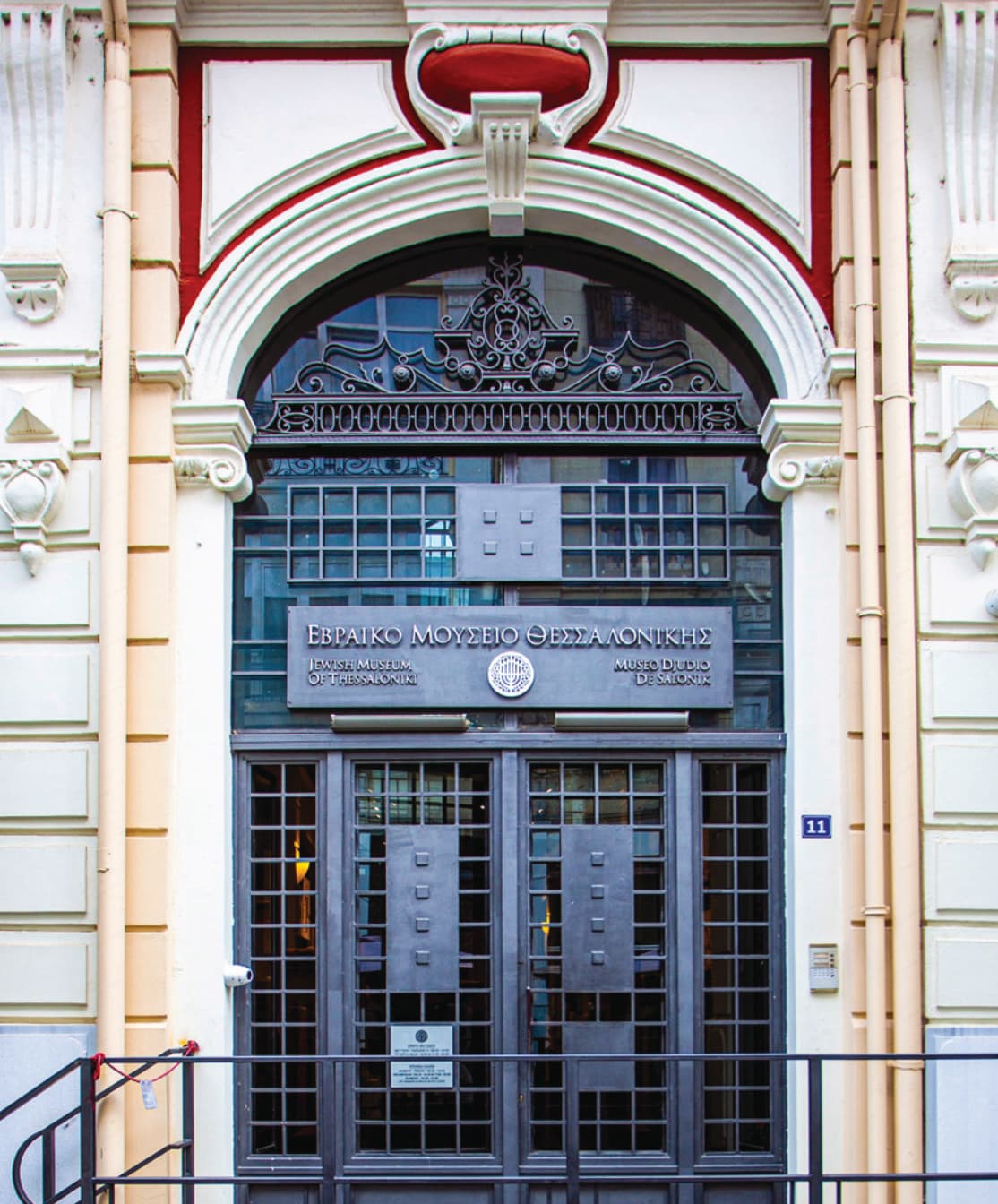
The Jewish Museum of Thessaloniki – Dr. Xenia Eleftheriou
January 12, 2026 · Arcus Real Estate
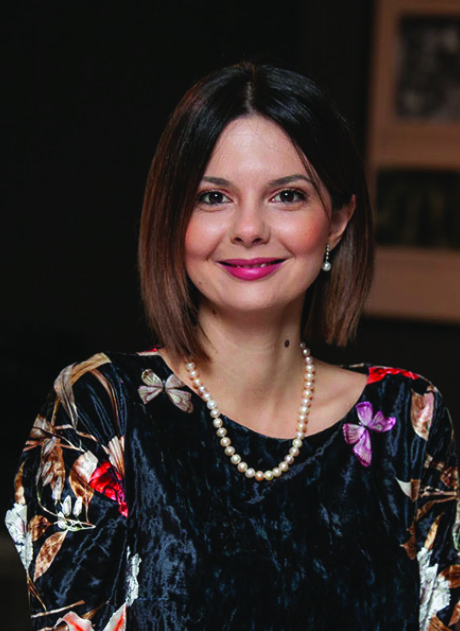 Dr. Xenia Eleftheriou – Scientific Director of the Jewish Museum of Thessaloniki
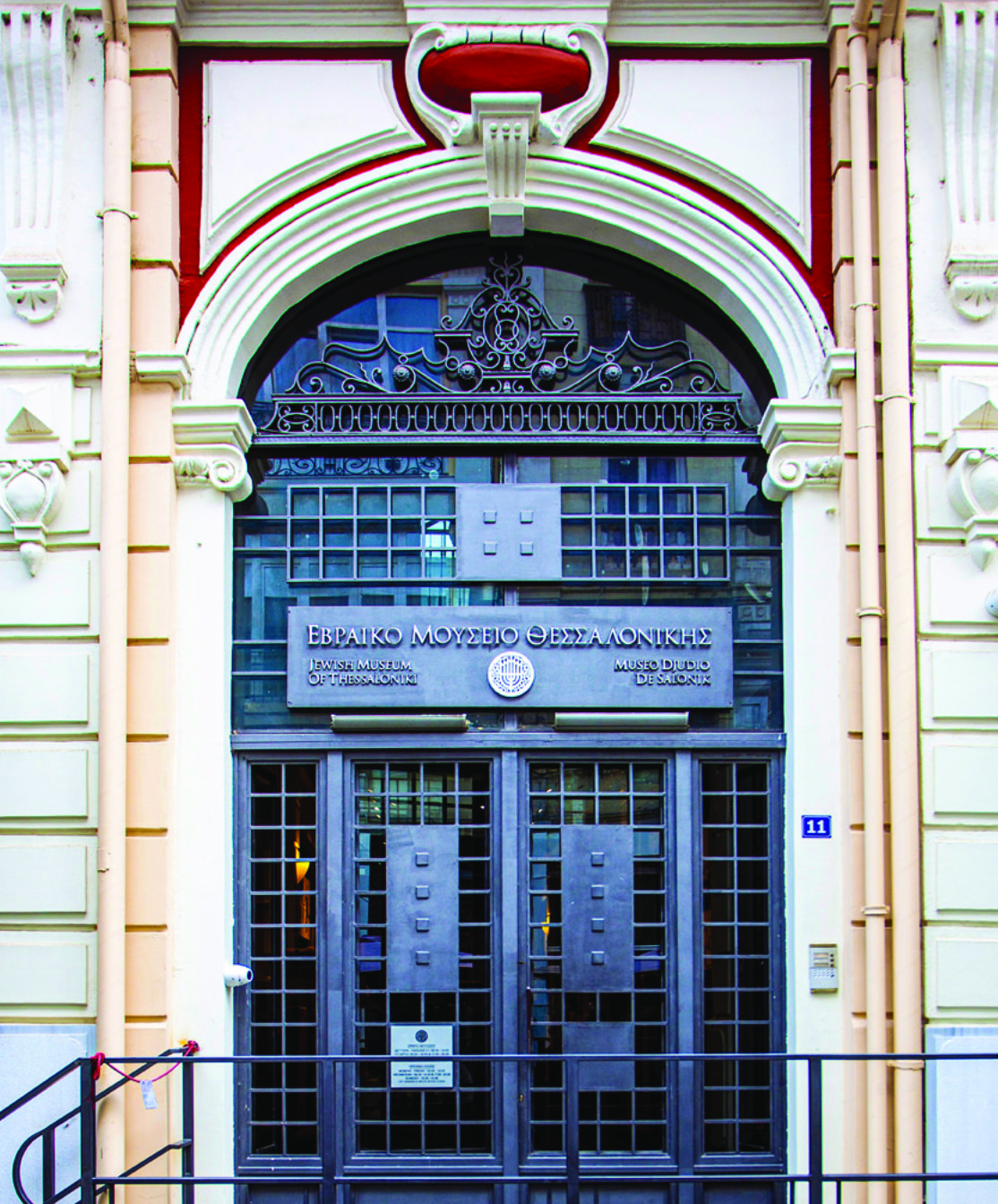
The building of the Jewish Museum of Thessaloniki was erected in 1904 by the Jewish community of Thessaloniki. At the time it was called "Yeni Han" (New Building). It was one of the typical commercial arcades built between 1880 and 1910 in the centre of Thessaloniki to house new business operations. Over the years the building hosted significant enterprises, such as, for example, the Bank of Athens (1906–1925) and the newspaper L'Indépendant (1909–1941). It is one of the few structures in the centre of Thessaloniki that survived the great fire of 1917 and the reconstruction processes that followed. It was used as a commercial building until 1997. Extensive works were required to convert part of the building into a museum. The museum opened in 2001. In 2010 the "Andreas Sefiha" hall was added on the eastern side of "Yeni Han". In 2019 the museum was expanded into the central wing. Many donors, families and businesses contributed to the renovation of the building and to the founding, expansion and operation of the museum; their names are recorded on an inscription mounted at the building's entrance.
According to its first scientific adviser, Nikos Hanan Stavroulakis, the Jewish Museum of Thessaloniki is an important place of testimony that presents the city of Thessaloniki as the Jews experienced it over the centuries. As a research centre it has a public, educational role and aspires to provide a balanced and comprehensive view of the Jewish presence in the city across more than 2,000 years. The accessibility of the Museum's library, which is open to researchers for further study of the Jewish presence, is of great importance. Through the Research Centre of the Jewish Museum of Thessaloniki, the Jewish Community of Thessaloniki offers a research environment for the study of the rich Sephardic cultural heritage that developed in Thessaloniki after the 15th century. The Museum has a library of important texts printed from the 16th to the 21st century, covering aspects of Jewish religious and secular life. The library is also a source of documentation on the history, customs and language of the Sephardic Jews. The library provides audiovisual sources (cassettes, videos and films) on themes from Jewish history and the Holocaust. The Research Centre also offers access to electronic databases, catalogues, articles and digitised archival material, which are continually being enriched.
 Unknown facets of the city's history are presented at the Jewish Museum of the Jewish Community of Thessaloniki, where the visitor comes into contact with a true wealth of historical sources, both primary and secondary. Particular mention should be made of the Museum's archaeological exhibits: the Jewish tombs of the Roman period, which, through their inscriptions, present the history of the Jewish cemetery, which dates back to 1493. Here there were around 400,000 tombstones of archaeological and religious significance dating from the Roman period. The ancient cemetery extended over the area where the Aristotle University of Thessaloniki stands today. On the ground floor are displayed the monumental tombstones and inscriptions found in the great Jewish necropolis by the eastern walls of the city. These marble slabs and stelae are accompanied by a series of photographs showing the cemetery and its visitors as they were in 1914. In the Roman cemetery of Thessaloniki, which extended over the grounds of the University, tombs of the 3rd and 4th centuries AD were excavated and attributed to Jews on the basis of the names, the symbols in the wall paintings and the inscriptions. In one of these tombs the inscription mentions the word "synagogue" in the plural, a wording that indicates that at that time there was more than one synagogue. During the Ottoman period, the strip of land outside the eastern walls of Thessaloniki was dedicated to burial use. There lay the cemeteries of all the religious groups inhabiting the city. The Jewish cemetery was the largest, because the Jewish community formed a majority and, moreover, the Jewish religion forbids the exhumation of the dead.
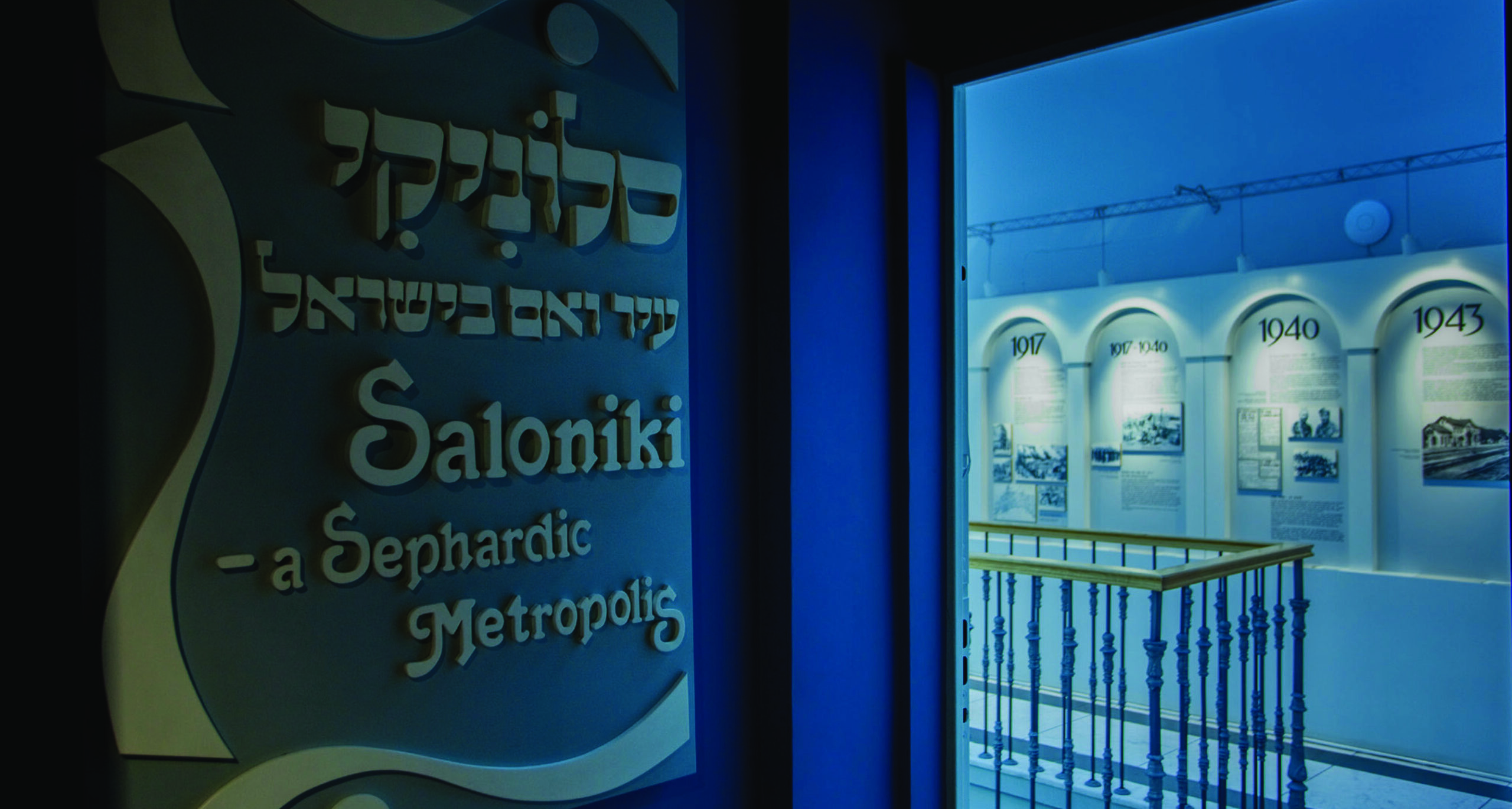
The exhibition spaces on the first floor give the visitor an overall picture of the religious, everyday and economic life of the city's Jews. The Museum's panels present the general areas of Jewish activity through photographs, sketches and texts, such as: prewar Jewish neighbourhoods, the administrative system of the Jewish Community of Thessaloniki, printing, religious life and the synagogues, education and the theological seminaries, the institutions, industry and commerce, the Zionist organisations, as well as other ideological tendencies and sports clubs. In short, the museum's narrative places great emphasis on the life of the Jews of Thessaloniki before the Holocaust, through the Folklore hall, the Music hall and the hall presenting the history of the prewar synagogues of Thessaloniki. Beyond its visible monuments, Thessaloniki also possesses invisible monuments that emerged through the cultural history of recent centuries and no longer exist because they were destroyed. According to the research of Evangelos Hekimoglou, among the most important invisible cultural monuments of Thessaloniki are its synagogues and its kehilot. The term "kehila" corresponds to the term "parish". The "kehilot" (plural of "kehila") were organisations of the Jews who took refuge in Thessaloniki in the late 15th and early 16th centuries. At the centre of each "kehila" was a synagogue. Each "kehila" gathered together the refugees of a particular region and "constituted a city in itself". More than fifty "kehilot" and corresponding synagogues were recorded in the central core of Thessaloniki in the mid-16th century. No trace of these fifty synagogues survives today.
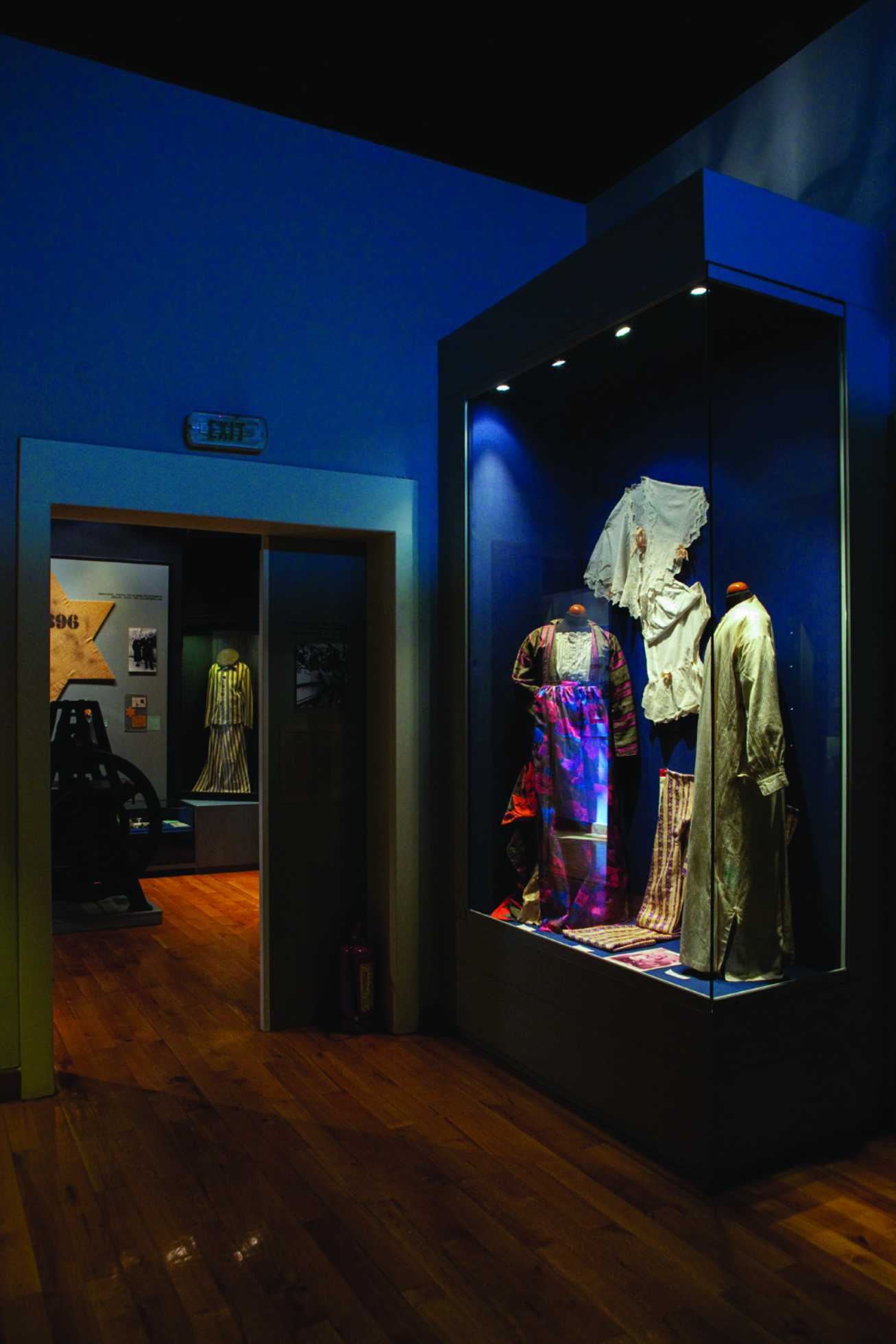 The Museum's new halls record difficult issues of local history, such as prewar Christian antisemitism with reference to the Campbell pogrom of 1931, while the postwar period brings to light the matter of the plundering of Jewish property during the German Occupation, an issue that has occupied the academic community in recent years and on which a great many studies have been published concerning this contentious event. Two of the Museum's halls deal with the Holocaust of the Jews of Thessaloniki; however, the approach is not sentimental, since before the presentation of the exhibits relating to the dramatic events, the visitor has already come into contact with aspects of the everyday life of the Jews of Thessaloniki over the long course of the centuries. In other words, the genocide is presented, but it does not constitute the dominant narrative that defines the identity of the Jewish community of Thessaloniki. A dedicated exhibition space deals with the genocide, as it affected the Jewish Community of Thessaloniki as a whole. About 49,000 members of this historic Community were deported to the Auschwitz-Birkenau extermination camps, where they were murdered. In two specially designed halls, the visitor is confronted with authentic objects that bear witness to and document the genocide, such as the camp uniform of Holocaust survivor Leon Perahia, the press of the Gattegno printing house with which the yellow Stars of David were cut, the matrix used in 1943 to cut the yellow stars, prisoner identity cards, false identity cards issued to Greek Jews, and many more authentic documents, photographs and personal objects.
Particular mention must be made of the childhood hall of the Jewish Museum of Thessaloniki. From the archival records studied during a research programme of the Museum, it was established that in 1943 there were 7,500 pupils living in Thessaloniki, whereas in 1945 there were only 58. The only records we have of the existence of the thousands of children put to death in the crematoria are photographs, clothing and objects. Some of these were gathered together in the "children's room", where a computer was installed through which the visitor can search for information from the digital application "Mapping the Childhood" (www.mappingthechildhood.com). This is the product of a 2021 research programme whose aim was to collect data on the Jewish pupils of Thessaloniki, drawn from the archives of every type of educational institution (community, public and private schools, the Aristotle University and the State Conservatory of Thessaloniki). In total, data was gathered on about 3,500 male and female pupils. The data collected was incorporated into this application, which provides information on the age and period of study of each pupil, on the school and classes attended, on the names of the parents, on the father's occupation, on the home address and any other information. The pupils' addresses are also plotted on an interactive map of Thessaloniki, both for each individual pupil and for categories of pupils, depending on the filter the user of the application selects. In this way it is possible to draw conclusions by combining social and geographical characteristics.
The museum's activities are becoming more innovative, with the aim of attracting the interest of younger visitors as well. The application of new technologies gives fresh impetus to educational visits, and for this reason the Jewish Museum now has two new touch screens with VR glasses in the museum's new permanent application, titled "Tracing the Jewish Presence in Thessaloniki". This is a digital map application on which buildings, residences, places of worship and points of Jewish presence in the city of Thessaloniki are marked. Using two 55-inch touch screens, visitors to the Jewish Museum of Thessaloniki can search for one of the 42 available points on the map and, by selecting them with a touch, gain access to a wealth of informational material, drawings and old photographs. The informational content is available in Greek and English. It should be noted that an earlier temporary photographic exhibition titled "6 Days. The Journey of the Greek Jews" also featured augmented reality technology, presenting oral testimonies of Jewish Holocaust survivors from Thessaloniki. The central figure of the exhibition was one of the last Holocaust survivors, the Thessaloniki Jew Heinz Salvator Kounio, who personally experienced the dramatic events as a prisoner of the Nazi camps of Auschwitz-Birkenau, Melk, Mauthausen and Ebensee. The supreme contentious historical event of the Holocaust was presented through the contemporary photographic capturing of martyred historical sites. The genocide was represented artistically and aesthetically through Art, in order to symbolically convey the crime committed in the Nazi camps. The exhibition confronted the visitor with "Oral History", drawing on the personal oral and written testimonies of Greek Jewish Holocaust survivors.
The hall "Unknown Musical Treasures of the Greek Jews" presents the findings of the research programme of the same name, which is something far more than a new collection of Jewish music. Years of research by the Museum's scientific associate Mariangela Hatzistamatiou, head of the research programme of the Jewish Museum of the Jewish Community of Thessaloniki, amassed a treasury of forgotten songs, gathered one by one from different sources scattered across the whole of Greece. The main characteristic of the songs collected is that they are elements of different Jewish linguistic and cultural traditions. Regardless of their age and their origin, these traditions took their final form within the framework of modern Greek linguistic and musical influences. Thus, the Unknown Musical Treasures of the Greek Jews reveal a cultural picture closer to historical reality than a constructed representation of the past. The visitor to the hall also has the opportunity to hear songs from the publication "The Songs of the Holocaust of the Greek Jews", which is a research programme of the Jewish Museum of Thessaloniki, under the auspices of the Jewish Community of Thessaloniki and co-financed by the European Jewish Fund, the Claims Conference and the Chair of Jewish Studies of the Aristotle University of Thessaloniki, which presents for the first time songs written by Greek Jews during the Holocaust. The songs of the Holocaust period are for the most part adaptations of popular songs of the era from the European repertoire, such as, for example, "Lili Marleen", which became "A Roll Call is Held on Stavrou Voutyra Street", or of Greek songs such as rural folk songs and rebetiko. The songs belong to three basic categories: those written in the Baron Hirsch ghetto of Thessaloniki, those written inside the Auschwitz camps, and finally those written by survivors after the Holocaust. This is the way in which a Jewish Museum can contribute to the historical knowledge of music.
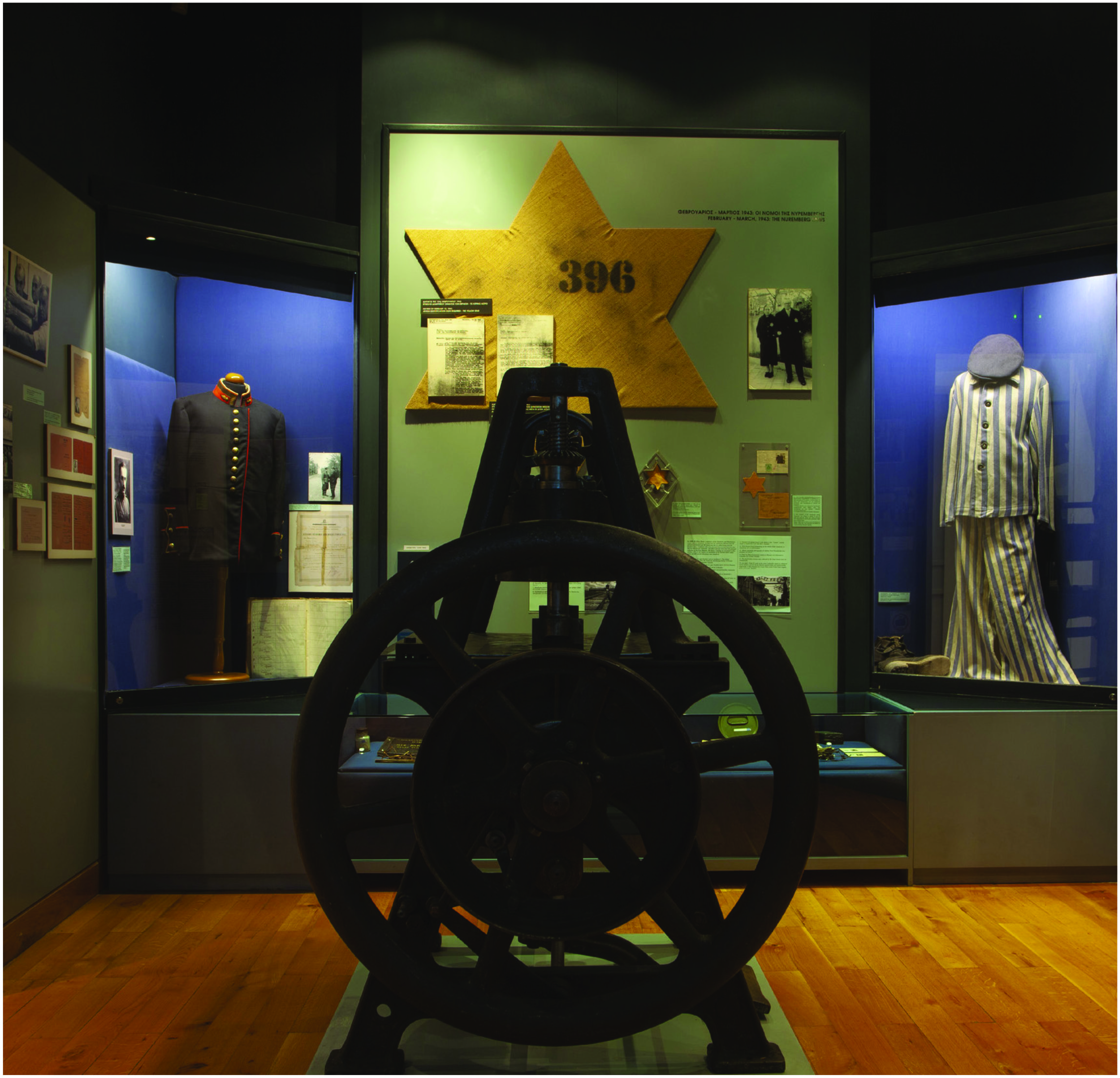
Today, the visitor to the Museum can view the three temporary exhibitions presented simultaneously in the Museum's halls. The idea for the exhibition "Snapshots of Occupiers 1941–1944. The Assael Collection", curated by the Jewish Museum of Thessaloniki, was the outcome of the encounter with the collector and researcher Andreas Assael, who is directly connected to the contentious historical events of the Occupation, as he belongs to the so-called "Second Generation of the Holocaust". Assael's personal archive differs from the other collections of Occupation photographs. The exhibition presents in their entirety the private albums and photographic sets of the German occupiers of Thessaloniki. The owners of the albums are not anonymous soldiers, but soldiers who served the Nazi regime and who introduce themselves through the commemorative photographs. Possessing their official and personal documents, Assael contributed to bringing to light the people hidden behind the camera lens. As eyewitnesses to the multifaceted barbarity against the Christian population and, above all, against the Jews of Thessaloniki, the German occupiers captured traumatic moments of local history, such as the great famine in Thessaloniki and the events of Black Saturday in Eleftherias Square. It must be emphasised, however, that very often the soldiers bought or exchanged photographs among themselves and filled their albums and personal collections with images they had not taken themselves. The two original albums and the two boxes of photographs presented in the exhibition were subject to Andreas Assael's intervention. The collector transferred the notes that appeared on the back of each individual photograph onto the main page as a caption. The black-and-white photographs are historical records and a precious primary visual historical source, as they are original photographs taken by soldiers who served in Thessaloniki. The images offer us access to facets of the events that written sources cannot. As a mirror of the historical events, they depict the occupied city in wartime conditions, but under the prism of a romantic hue, exactly as Nazi propaganda dictated, refusing to represent the grim reality, since each photographer served the Third Reich. The photographs of the occupiers in Thessaloniki can reshape the relationship of citizens with the contentious past of their place, redefining the role of memory and forgetting with regard to the traumatic events of the Occupation and the Holocaust. If we could sum up the singularity of Andreas Assael's collection in one word, it would be the notion of return. Return, because with its purchase the collection "returned" to the descendant of one of the protagonists of this dark memory of the city, and through him to the place and to the wider community of the city it concerns, illuminating painful subjects through micro-history, through the family history of the Assaels.
The temporary exhibition "Karya 1943. Forced Labour and the Holocaust", organised by the Documentation Centre on Nazi Forced Labour of the Topography of Terror Foundation in cooperation with the Foundation Memorial to the Murdered Jews of Europe, held under the auspices of the Minister of Culture, Lina Mendoni, and the German Federal Government Commissioner for Culture and the Media, Claudia Roth, with collaborating bodies the Jewish Museum of Greece, the Jewish Community of Thessaloniki and the Jewish Museum of Thessaloniki, is hosted at the same time at the Jewish Museum of Thessaloniki from 29 March to 30 June 2025. The exhibition is dedicated to the subject of the forced labour of the Greek Jews during the German occupation. In 1943 hundreds of Jews from Thessaloniki were forced to build, at Karya, a small railway station in the region of Fthiotida, a bypass line for the Wehrmacht's trains. Living conditions at the worksite were appalling and very few survived. This came to light thanks to Andreas Assael, a researcher, collector and son of a Jewish survivor from Thessaloniki. In 2002 Assael discovered a wartime photographic album containing photographs of the Jewish forced labourers at Karya. The research he subsequently conducted formed the core of the travelling exhibition that has been presented in Germany and Greece since 2024.
The temporary exhibition "Ashes and Tears in the Lake… The History of the Jews of Kastoria" presents for the first time records and rare archival material from the collectors and researchers Christos Kavvadas, Spyridon Anagnostou and Petros Papakyriakou, and is an initiative of the Jewish Community of Thessaloniki and the non-profit organisation Eran. The aim of the exhibition is to explore the rich history of the prewar Jewish community of Kastoria, as well as the trauma of the Holocaust.
In conclusion, in recent years the Jewish Museum of Thessaloniki, with its new permanent and temporary exhibitions, appears to function also as a place of commemoration of the victims of the Holocaust in a city with an intensely traumatic and guilt-laden past, fulfilling the dual purpose of historical narration and commemoration. In the Museum's new spaces, the memories of the Jews of Thessaloniki are recorded and put to use, while the exhibits recount personal stories based on the oral and written testimonies of both the victims and their descendants and of people who were eyewitnesses to the historical events.
Interview by: Vasilis Bampaolous General Manager of Arcus Real Estate