

Interviews
Interview with Ioannis Daskalakis – MyServices iKEP: the new generation of services that puts the citizen at the centre
November 19, 2026 · Arcus Real Estate · 3 min read
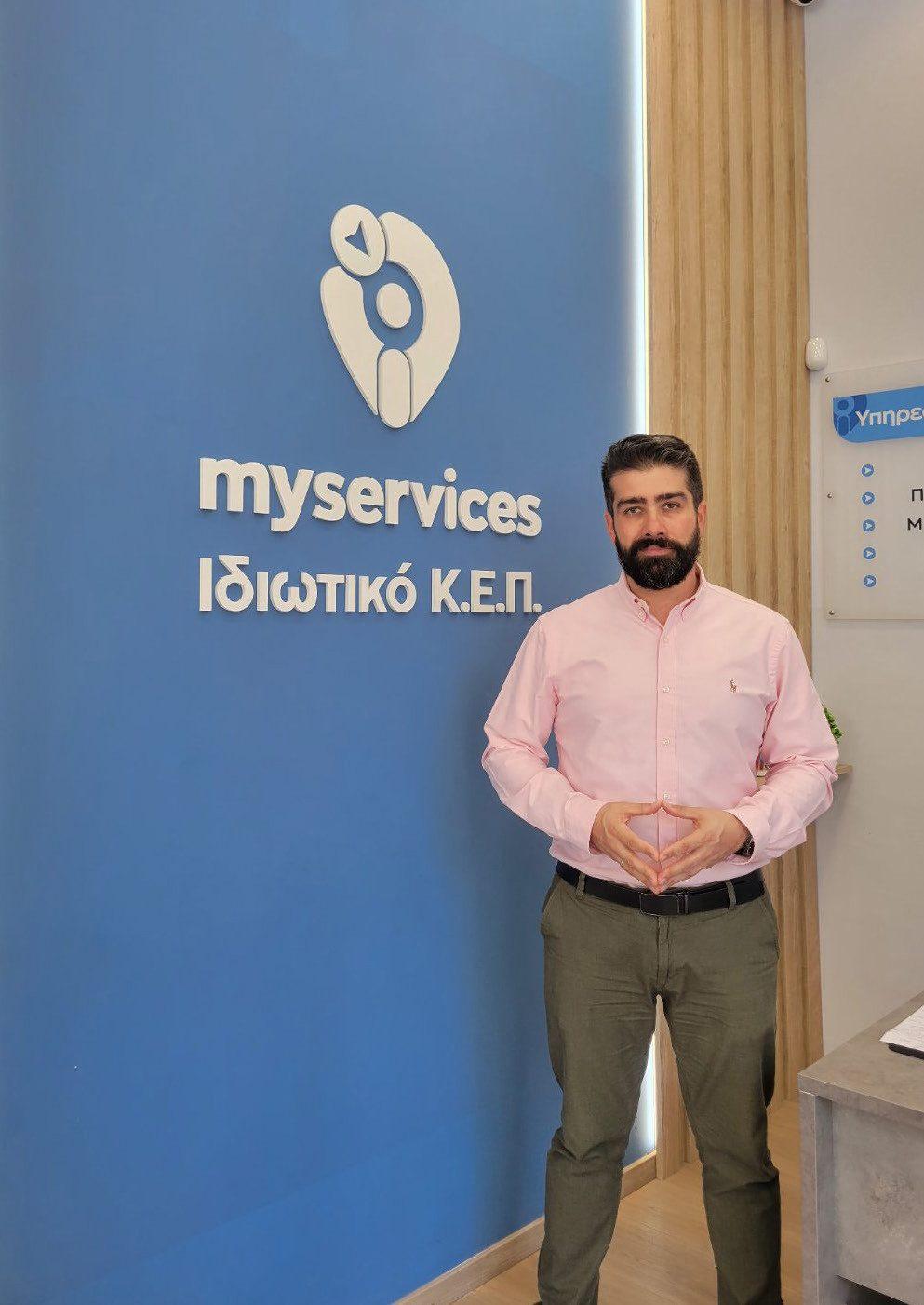
At a time when digitalisation is transforming the relationship between citizens and the State, MyServices iKEP aims to be the reliable partner that bridges technology and human service.
The market for private services for citizens and businesses has been developing rapidly in recent years. What was the gap you identified that led you to create MyServices iKEP?
MyServices iKEP grew out of the real needs of our clients.
With more than eight years of experience in Energy Consultancy, we found that citizens and businesses also needed support with administrative procedures, dealings with public bodies and everyday matters.
So we created a modern, one-stop service space offering responsible and effective support.
How has the digitalisation of public services changed citizens' daily lives, and what is the role of a modern private KEP (Citizen Service Centre) today?
The digitalisation of the public sector has accelerated considerably in recent years, but many citizens find it hard to keep up with the pace of change.
Taxisnet, banking apps and digital platforms are now essential tools of everyday life.
The role of a modern private KEP is to guide citizens so that they can use these services safely and effectively.
Speed and reliability are critical factors for the customer. How does your company ensure effective and prompt service?
We invest in the human factor and in personalised service.
Each case is tracked individually through modern systems, so that outstanding issues are spotted immediately and procedures are completed effectively.
Technology is a tool. The human relationship remains our greatest asset.
Which services are in greatest demand today, and which needs do you see growing in the coming years?
There is strong demand for services involving electricity, natural gas and water providers, from new connections to changes of account holder and choice of tariff.
At the same time, as more procedures pass to private operators and specialised partners, there is a growing need for reliable guidance between the citizen, the State and the private sector.
Thessaloniki is developing as a place for business and investment. How do you see the relationship between modern business and administrative support and processing services?
Every business activity comes with administrative procedures that require proper coordination and specialised support.
At MyServices iKEP we are building a strong network of partners, so that we can offer complete solutions tailored to the needs of each business.
Artificial intelligence and new digital technologies are already changing the way many businesses operate. Do you think they will also affect the citizen services sector?
Artificial intelligence will automate many simple procedures.
However, the complexity of Greek bureaucracy still demands human experience, judgement and responsibility.
For us, artificial intelligence will serve as a tool that makes services faster and of higher quality, not as a replacement for people.
What do you consider the biggest challenge facing an entrepreneur in the services sector today, and what does it take to stand out?
The biggest challenge is people.
The quality of a service business depends on the professionalism, sense of responsibility and values of its people.
Investing in people of integrity and reliability is, for us, the foundation of growth.
What is your vision for the future of MyServices iKEP, and what new steps are you planning?
Our vision is for MyServices iKEP to become a point of reference for resolving everyday administrative and organisational matters throughout Greece.
Our plans include new service points in Thessaloniki and the development of a digital case-management platform.
For us, the future of service lies in combining technology with a human presence.