

Interviews
Interview with Nikos Sakkas – Mayor of Trikala: Greece's model smart, sustainable city
November 19, 2026 · Arcus Real Estate · 10 min read
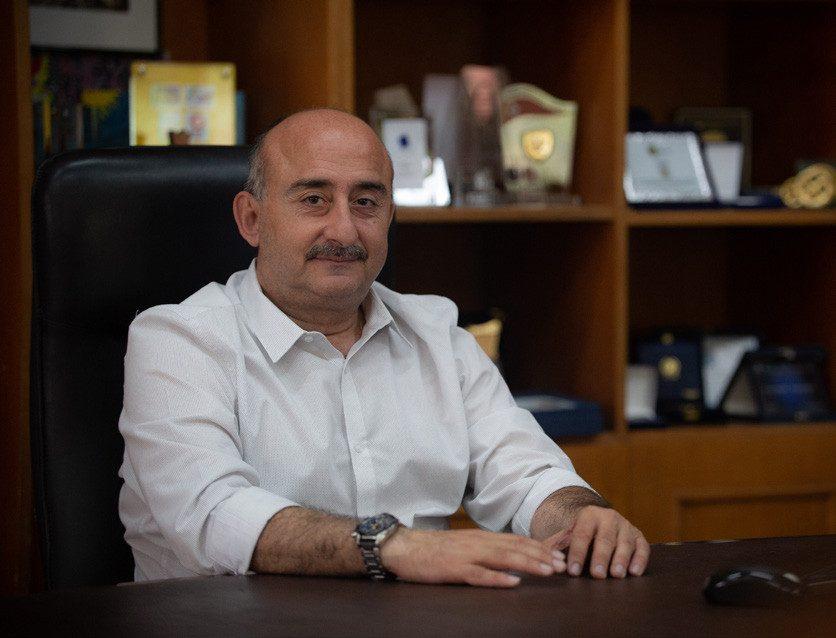
The Mayor of Trikala, Mr Nikos Sakkas, speaks to ESTATE about the city's digital transformation, the challenges of sustainable development and the vision for a modern urban environment that harnesses technology for the benefit of citizens.
Mr Mayor, what does the term "Smart City" mean in practice for the Municipality of Trikala, and how does it translate into citizens' everyday lives?
First of all, thank you for the opportunity to present a series of initiatives connected with a concept that has been widely used in recent years but is often misunderstood. The Greek term «Έξυπνη Πόλη» is the translation of the English "Smart City". Personally, I believe the term «Ευφυής Πόλη» ("Intelligent City") better captures its real meaning, since in our country the word «έξυπνος» ("smart", but also "clever" or "crafty") can easily be misconstrued.
In Trikala, however, we are talking about real, substantive solutions that improve citizens' daily lives. Whether through direct digital services or through the upgrading of municipal operations, our goal is one: to make people's lives easier, safer and of a higher quality.
This philosophy runs through every area of municipal policy – from health, social welfare and mobility to environmental protection, connectivity and the management of natural resources. But for all of this to work as a single whole, comprehensive planning is required.
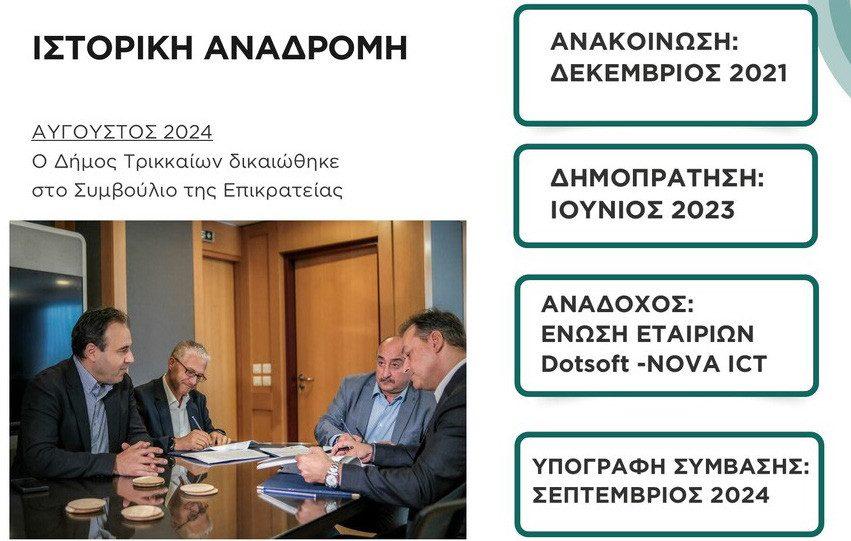
That is the role of restart mAI city, the largest digital transition programme currently under way in any Greek city outside Athens and Thessaloniki, with funding of 69 million euros from the Recovery Fund.
The programme was not designed in theory. It was preceded by the Municipality's many years of participation in dozens of European and national pilot projects, through which we assessed which solutions have real value for citizens and can be applied effectively in practice.
This led us to a comprehensive plan with 10 core pillars and 76 individual projects, covering mobility, health and social welfare, energy, civil protection, the environment, water resources, waste management, economic development, citizen participation, connectivity and a range of horizontal digital actions.
What were the first steps that made Trikala stand out nationwide as a model smart city?
Trikala's journey towards digital transformation began several years before the term "Smart City" became widely known.
At the time when the country was caught up in preparations for the Olympic Games, in Trikala we were already delivering the first free wireless internet access projects (free Wi-Fi). These were followed by important initiatives under the then "Information Society" programme, the creation of the IT Office and, subsequently, the founding of e-trikala, the Municipality's digital development arm.
Along the way, applications that were pioneering for their time were delivered, such as telecare, online public consultations with citizens and a host of digital services that are now taken for granted.
Dozens of European projects followed, covering mobility, participatory governance, geographic information systems, smart parking, citizen services and cooperation with European cities.
A special place in this journey, in my view, belongs to the Driverless Bus, which ran as a pilot in Trikala from August 2015 to February 2016. The project attracted worldwide interest and established our city as an international point of reference for autonomous mobility.
It is also worth noting that many of the technologies now taken for granted in modern vehicles, such as sensor systems and active safety systems, were piloted in Trikala before their mass adoption.
Which digital services do you consider to have the greatest reach and usefulness for residents today?
Without doubt, the service with the greatest reach is "20000", the Municipality's Citizen Service Office.
It is much more than a simple digital service. It is a complete mechanism of communication between residents and the Municipality. Citizens can request information, submit requests, report problems or file complaints, mainly by telephone, but also through mobile apps or geolocation services.
Most importantly, though, every contact becomes a tool for improving municipal services. We do not stop at logging a request. We follow its progress and get back in touch with the citizen to confirm that the problem has been resolved and that the service was effective.
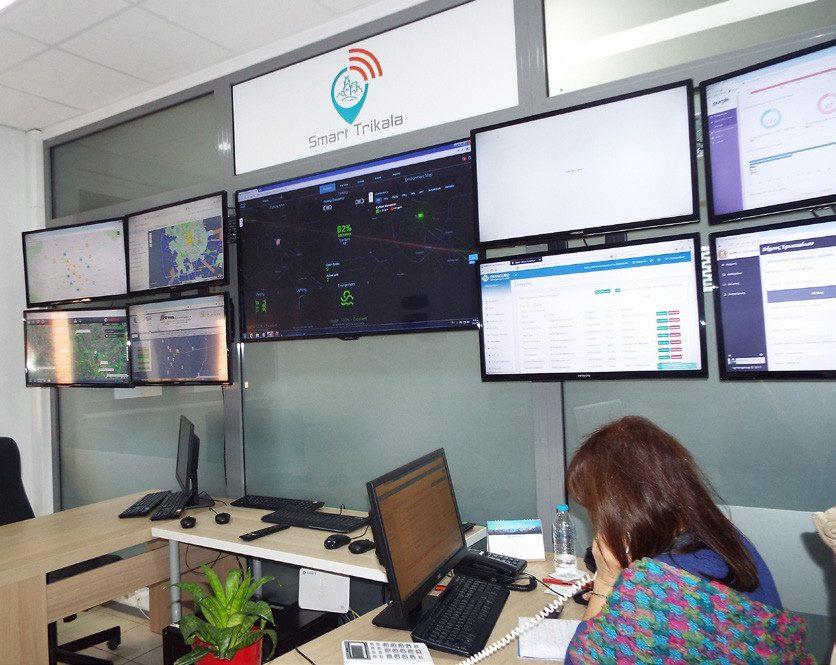
I believe this is the essence of a truly intelligent city: technology working as a means of meaningful service, not as an end in itself.
At the same time, there are many "invisible" digital services that we now take for granted in our daily lives. Online payment of dues to the Municipality, immediate detection of faults in the water supply networks of DEYAT (the Municipal Water and Sewerage Company), monitoring of the level of the Lithaios river to prevent flooding, controlled parking, systems protecting parking spaces for people with disabilities and remote control of municipal street lighting are just a few examples.
We are still in a transitional period. With the completion of the restart mAI city programme, Trikala's digital transition will take on an even more complete form, offering services that, ideally, will become such a natural part of everyday life that citizens will use them without even thinking of them as digital innovations.
In what ways does technology help improve quality of life in areas such as transport, cleanliness and citizen services?
Technology makes a real contribution to citizens' daily lives, offering greater speed, better organisation and reliable information.
In transport, the Municipality of Trikala has long taken part in European programmes on micromobility and smart transport networks. In a city where the bicycle is an integral part of everyday life, we are investing in infrastructure such as countdown traffic lights, "smart" pedestrian crossings and modern controlled-parking systems.
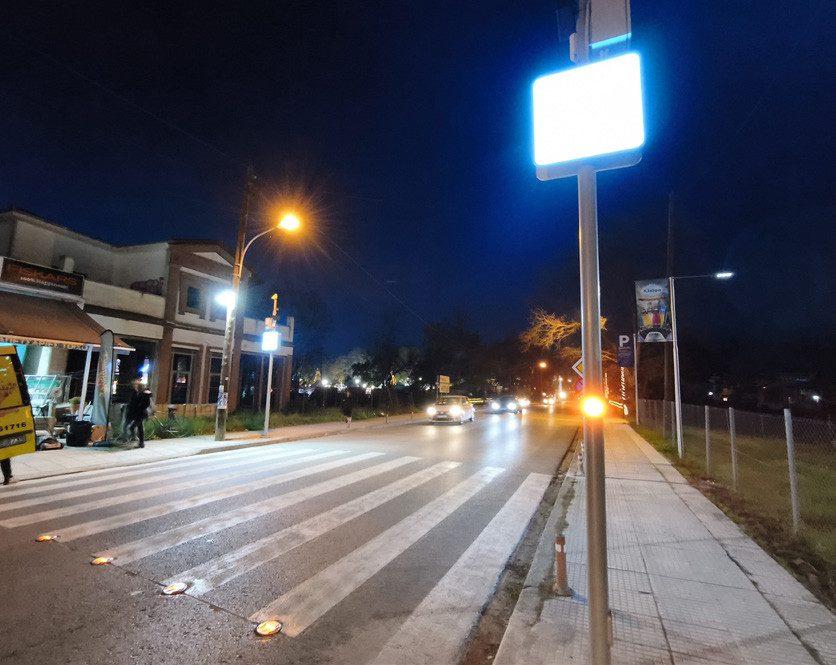
At the same time, we are planning an integrated information system that will organise urban bus routes more efficiently, improving the service for passengers.
In cleanliness, we use digital waste-management platforms, alternative waste-management systems, information and awareness campaigns for citizens, as well as the new underground "smart" bins. All of these measures are part of our overall strategy for achieving Climate Neutrality, as the Municipality of Trikala takes part in the EU Mission for 100 Climate-Neutral and Smart Cities. For us, technology and environmental policy do not work independently; they are two interlinked pillars of a modern, sustainable city.
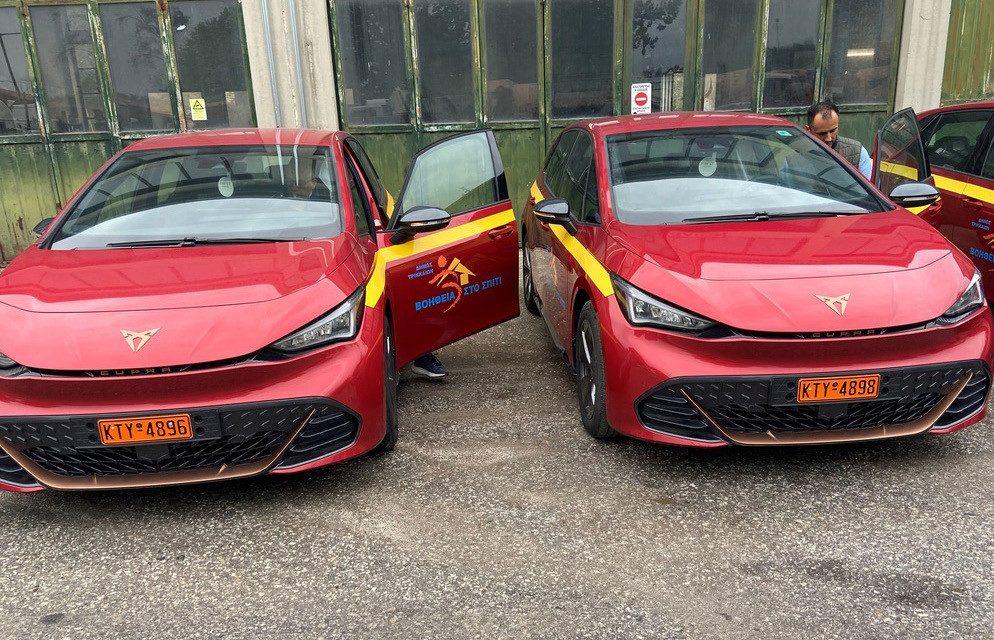
As for citizen services, beyond the operation of "20000", we are creating a new information and participation platform through which residents will play an even more active role in shaping local governance.
These are projects already under way, and we hope they will have been gradually brought into operation by the end of the year.
How do you ensure that digital innovations are accessible to everyone, regardless of age or digital skills?
The success of any digital transition depends to a large extent on citizens' digital literacy.
It is a constantly evolving process, as technology keeps changing the way we work, communicate and receive services.
Although training in digital skills is not formally a responsibility of local government, the Municipality of Trikala has chosen to invest substantially in this area as well. We have already run training activities for fellow citizens from the Roma community, and we also take part in the "Oloi Digital" ("Everyone Digital") programme, which is aimed mainly at older age groups, helping them become familiar with new technologies.
At the same time, the widespread use of smartphones has contributed significantly to the development of digital skills across almost all age groups. Today, even people who until a few years ago had little contact with technology use digital applications every day with ease.
It is our responsibility to ensure that all services and data that directly concern citizens remain easily accessible and are provided free of charge.
Which bodies (universities, private companies, European networks) does the Municipality work with to develop "smart" solutions?
Outward-looking engagement is a key element of the Municipality of Trikala's development strategy. Our close cooperation with the European Union has allowed us to take part, over many years, in major research and development programmes, gaining valuable experience and know-how. Following the successful delivery of the Driverless Bus programme, our Municipality gained international recognition as a reliable partner in innovation projects. Today this enables us to take an active part in shaping new partnerships and to choose strategically the initiatives in which we will invest.
A decisive role in this journey is played by e-trikala, which has specialised scientific staff with considerable experience in designing and delivering European projects.
At the same time, we have developed partnerships with leading technology companies and internationally recognised organisations, building relationships of trust that allow us to deliver innovative solutions with real benefits for the local community.
The list of these partnerships is particularly long and is, in my view, one of the most important legacies the Municipality of Trikala has built over all these years.
What are the biggest obstacles or challenges facing a smart city in Greece today?
The biggest challenge, in my view, is to stop equating the idea of the "smart city" exclusively with technology. A truly intelligent city is defined not by the number of digital applications it has, but by the way its citizens live, get around, communicate with the Municipality and actively take part in shaping their daily lives.
You do not need the latest mobile phone to help improve your city. What matters more is knowing how to make use of the tools available, how to express your needs and how to take an active part in a society that is constantly evolving.
The changes brought by technology are already affecting our way of life and shaping the generations to come. That is why an intelligent city must plan with the future in mind, and not only the needs of today.
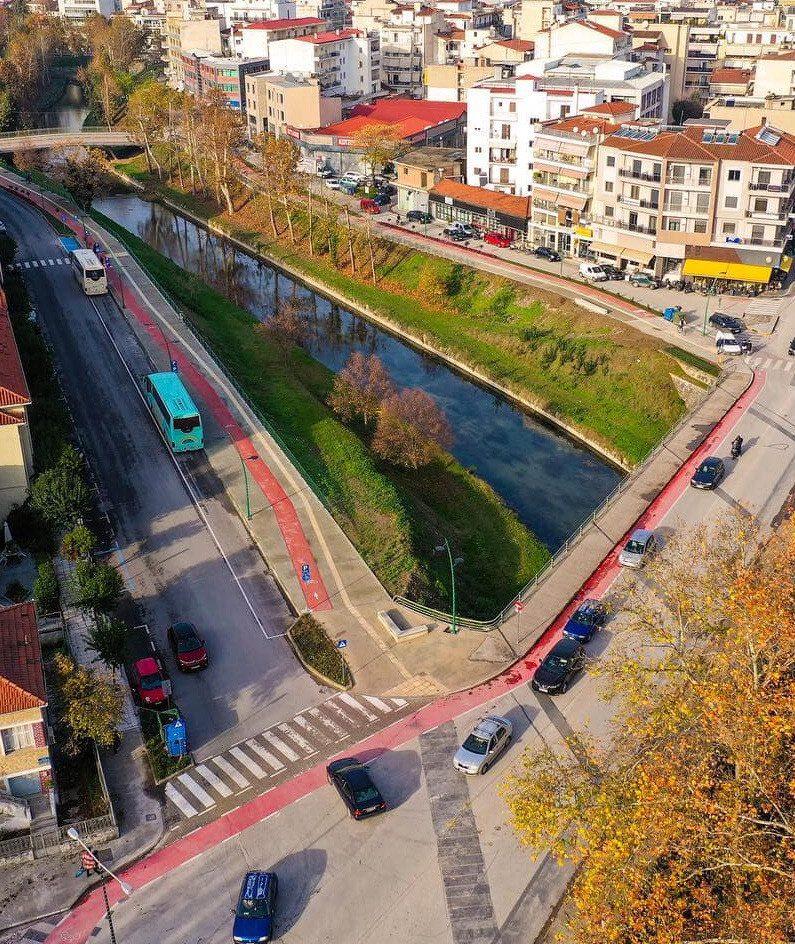
A telling example is the regeneration of the Lithaios river area. Our aim is not simply to create a new public space, but a safe, friendly, high-quality urban environment where people can move around comfortably, protected from vehicle traffic and in cleaner surroundings.
How is the concept of the smart city linked to sustainable development and environmental protection in Trikala?
The link between the intelligent city and sustainable development is direct and substantive.
There can be no real development without quality of life, without a safe, clean and healthy environment that respects both people and future generations.
For us, the city's resilience means constant preparedness, prevention and effective management of every challenge.
To this end, we are continually strengthening Civil Protection: creating a Crisis Management Operations Centre, installing modern infrastructure for the early detection of and response to emergencies, fire-detection systems in municipal woodlands and integrated networks for monitoring river levels.
At the same time, we are using new technologies to manage urban greenery, applying modern irrigation systems that adapt to actual weather conditions, while developing volunteer networks that strengthen the Municipality's operational readiness.
Of course, digital solutions do not replace long-standing environmental work. We continue to invest in planting new trees, cleaning waterways, flood protection and the overall upgrading of public space.
Technology, therefore, works as a tool that supports an overall strategy of sustainable development, not as an end in itself.
What is your vision for Trikala over the next 10 years as a smart, human and sustainable city?
Trikala lies at the centre of Greece and has all the characteristics that can make it an even more attractive place to live, work and visit.
Our city has already developed a strong identity through important landmarks, such as the Mill of the Elves (Mylos ton Xotikon), the country's largest Christmas park, which welcomed more than 1.2 million visitors in 2024.
At the same time, our cultural heritage, the museums, the archaeological sites, the new cultural venues being created, our connection with Asclepius, the routes along the Lithaios river, Matsopoulos Park, the new Park of Local Flora and Fauna, the city's long cycling tradition and the wealth of its primary sector together make up a unique development asset.
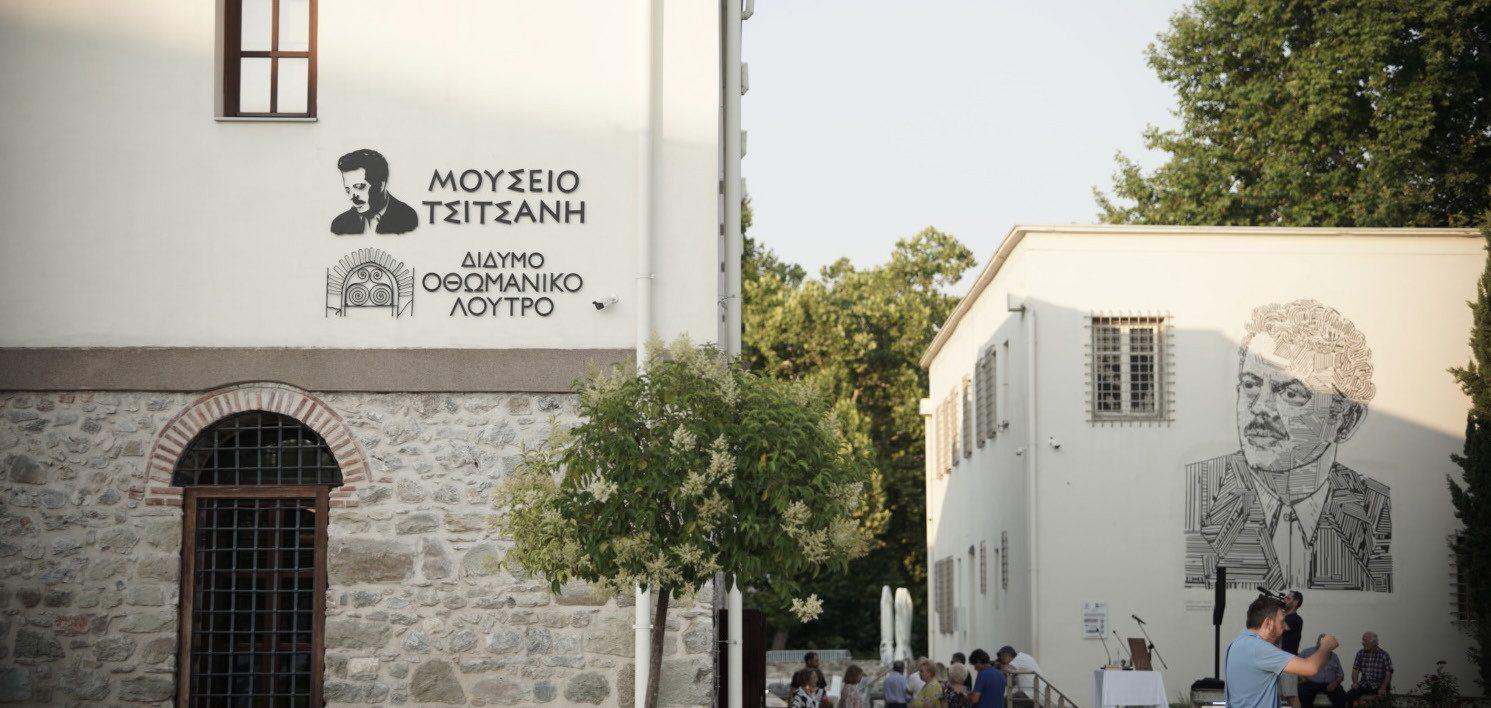
Beyond infrastructure and projects, however, I believe Trikala's greatest strength is its people. Hospitality, creativity and a willingness to work together are what shape the character of our city.
Our vision for the next decade is to keep investing in innovation, sustainable development and quality of life, so that Trikala remains a city that is constantly evolving without losing its human character.
We want a Municipality that combines technology with care for the citizen, development with respect for the environment, and progress with social cohesion. A city where innovation serves people and makes their everyday lives better.
Interview by: Vasilis Babaolous
General Manager of Arcus Real Estate